
Appearance
Flake Blends & Color Options
All 27 vinyl flake blends we stock, grouped by how light or dark they read. Use these to narrow down the direction you want — then we bring the physical boards to your estimate and look at them on your own slab, because a screen is not the colour of a finished floor.
How do you choose a flake blend or floor colour?
Short answer
Choose a flake blend in the room the floor is going into, under that room’s own lighting. Blends read completely differently on a screen than under cool directional garage light, and room size changes how busy a mix looks. Houston Superior Epoxy brings physical samples to every estimate. Chip size, colour mix and broadcast density all affect material cost.
How to read the blends below
Every image on this page is a real manufacturer photograph of a blend we actually stock. Use them to work out the direction you are leaning — cool grey or warm earth, light or dark, busy or restrained. That narrowing is genuinely useful and it is most of the decision.
What these photos cannot do is tell you the finished colour of your floor, for three reasons. Your monitor brightness and colour profile shift what you are seeing. The photos show loose flake packed tightly, whereas on a real floor the chips sit in a pigmented base coat under a clear topcoat, so the surface usually reads slightly darker and calmer. And they are shot close, so the chips look larger than they will from standing height.
So treat the grid as a shortlist, not a final answer. We bring the physical boards to your estimate and put them on your own slab, under your own light, before anything is ordered.
Colour is the last decision, not the first
Which system you install — flake, metallic or solid colour — determines what colour options exist at all. A full-broadcast flake floor is chosen from blends; a metallic is a pigment-and-technique decision with a much less predictable result; a solid colour is a straightforward pick with nothing to hide imperfections behind.
So it is worth settling the system question first. Once that is decided, the colour conversation is short and much easier.
Choosing
Six things that decide whether you like the floor in a year
Colour regret in a garage almost always traces back to one of these, and every one of them is easy to check with a sample board in the room.
Light
How much light the space gets
A dark blend in a garage with one bulb and no windows will read as near-black and make the space feel smaller. Lighter blends bounce what light you have. This is the single most common regret, and it is entirely avoidable by looking at samples in the actual room.
Maintenance
What you want to stop noticing
Mid-tone multi-colour blends hide dust, tire marks and footprints better than anything else, because the visual noise breaks up what would otherwise read as a smudge on a flat field. If you want a floor that looks clean between cleanings, this matters more than the exact colour.
Contrast
What the walls and door are doing
The floor is the largest single surface in a garage. A blend that looks excellent on a sample board can fight with a beige wall and a white door. We look at the whole space, not just the slab.
Scale
Flake size changes the character
The same colour mix in a larger chip reads bolder and more granular; in a smaller chip it reads closer to a solid, more uniform surface from standing height. Two blends with identical colours can look like different products.
Sun
Exterior exposure
On patios and pool decks, lighter tones stay meaningfully cooler underfoot in Houston summers. There is also a UV-stability question, which is a topcoat decision rather than a colour one.
Resale
Whether you are selling
If the floor is going in ahead of a sale, a neutral mid-tone blend is the safer choice. Bold metallics photograph well and are genuinely striking, but they are a stronger personal statement than some buyers want.
Beyond the blend
Two things the blend name does not tell you
Sheen and chip size are chosen separately from colour, and they change the finished look of the same blend more than the colour family does. Both are easier to see side by side than to describe.
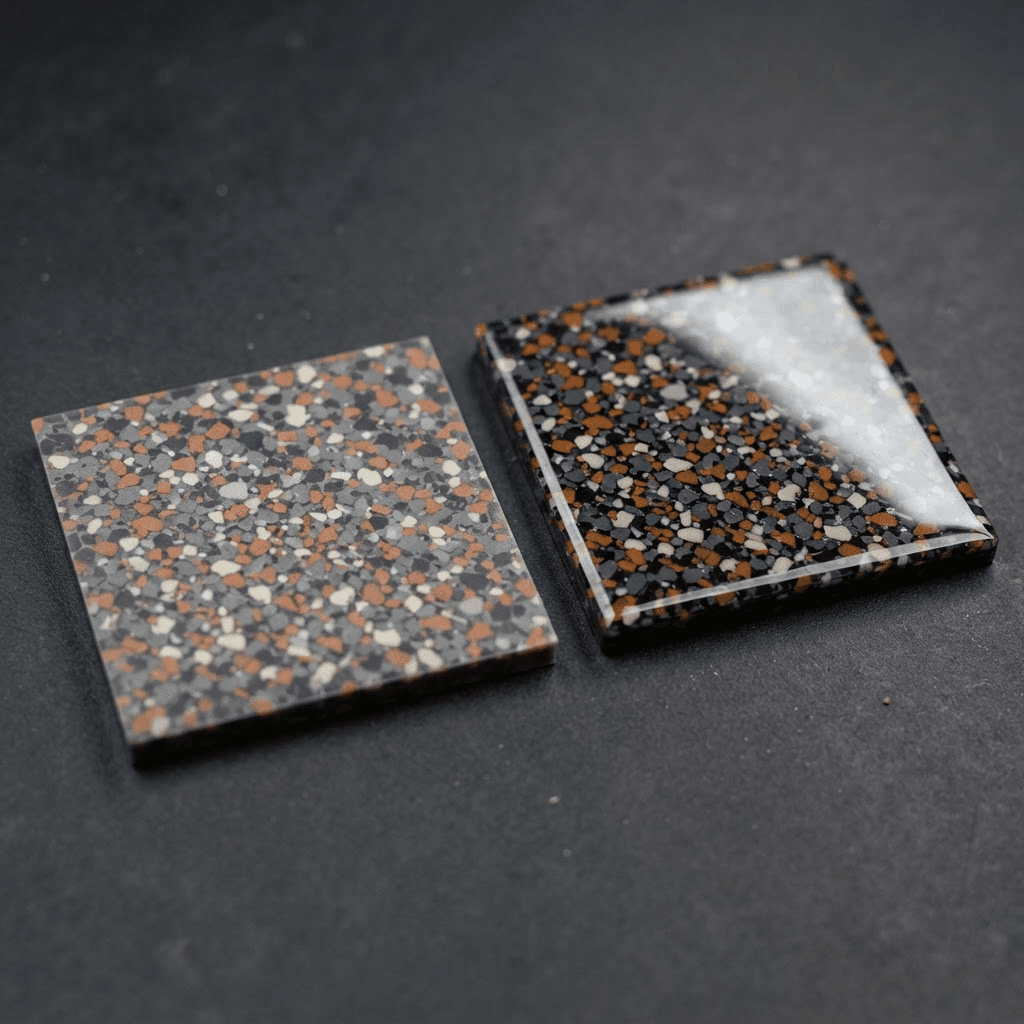
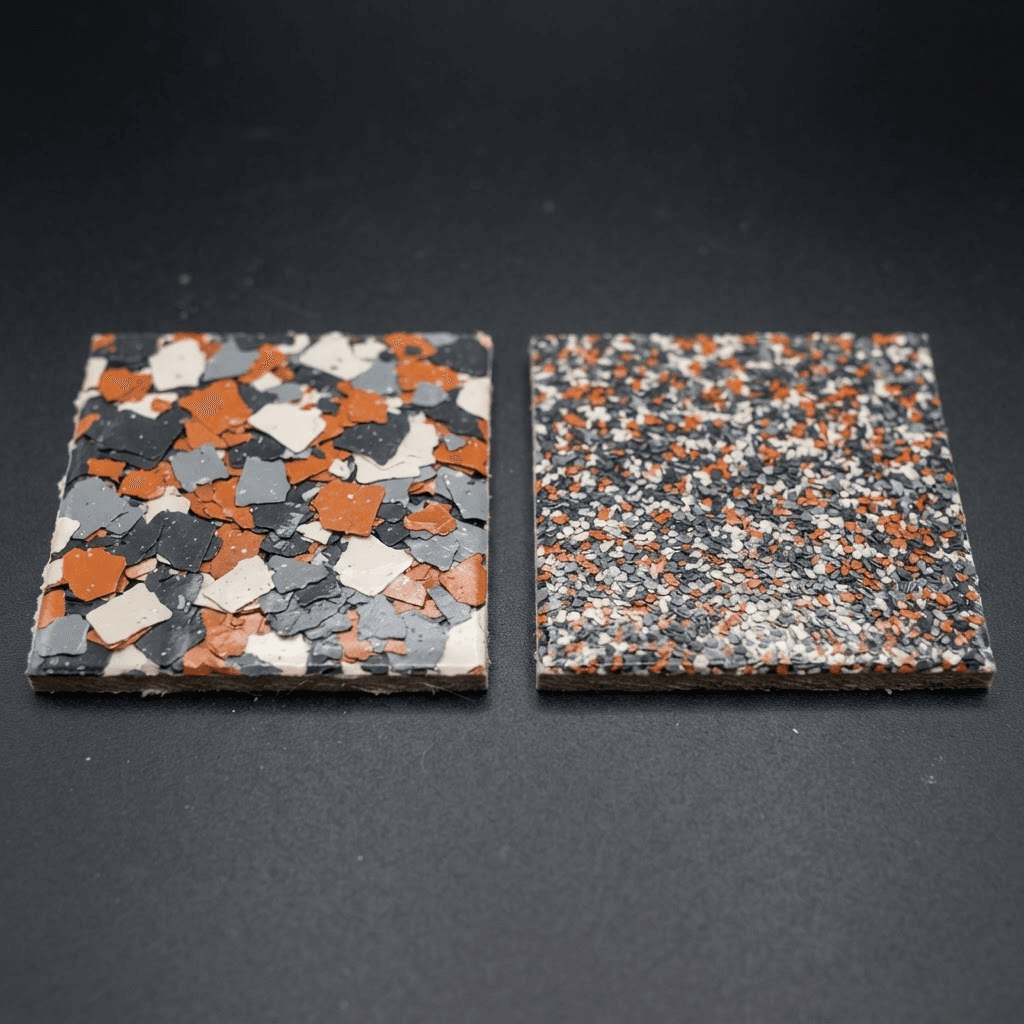
The range
27 stocked flake blends
Grouped light to dark, because that is the decision that most often gets regretted. Colour family is noted on each so you can tell a cool grey from a warm earth tone at a glance.
Light
7 blendsBounces what light you have. Worth a hard look if the garage has one bulb and no windows, and the coolest option underfoot on a sunlit patio.
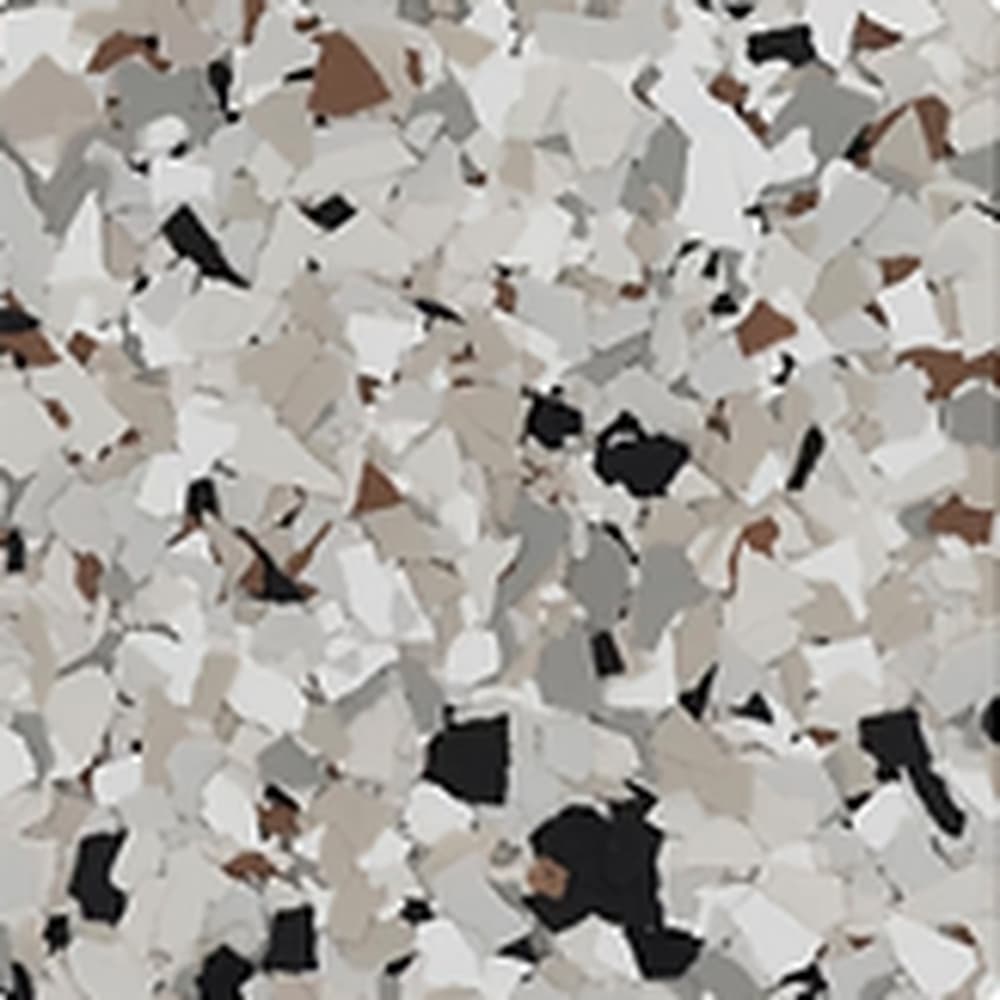
Coyote
Warm earthMostly white and cream with tan and grey, lifted by small rust and black chips.
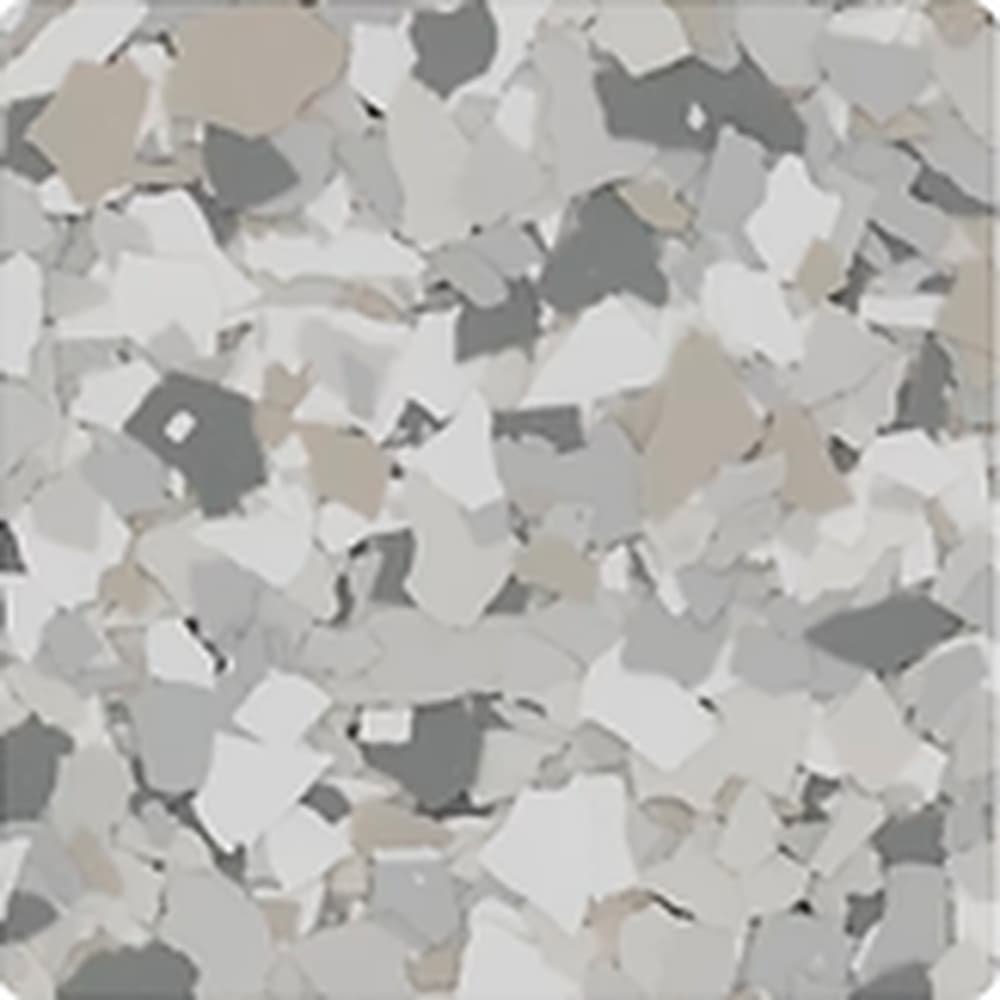
Rocky Arrow
NeutralWhite and pale grey with soft tan and scattered charcoal.
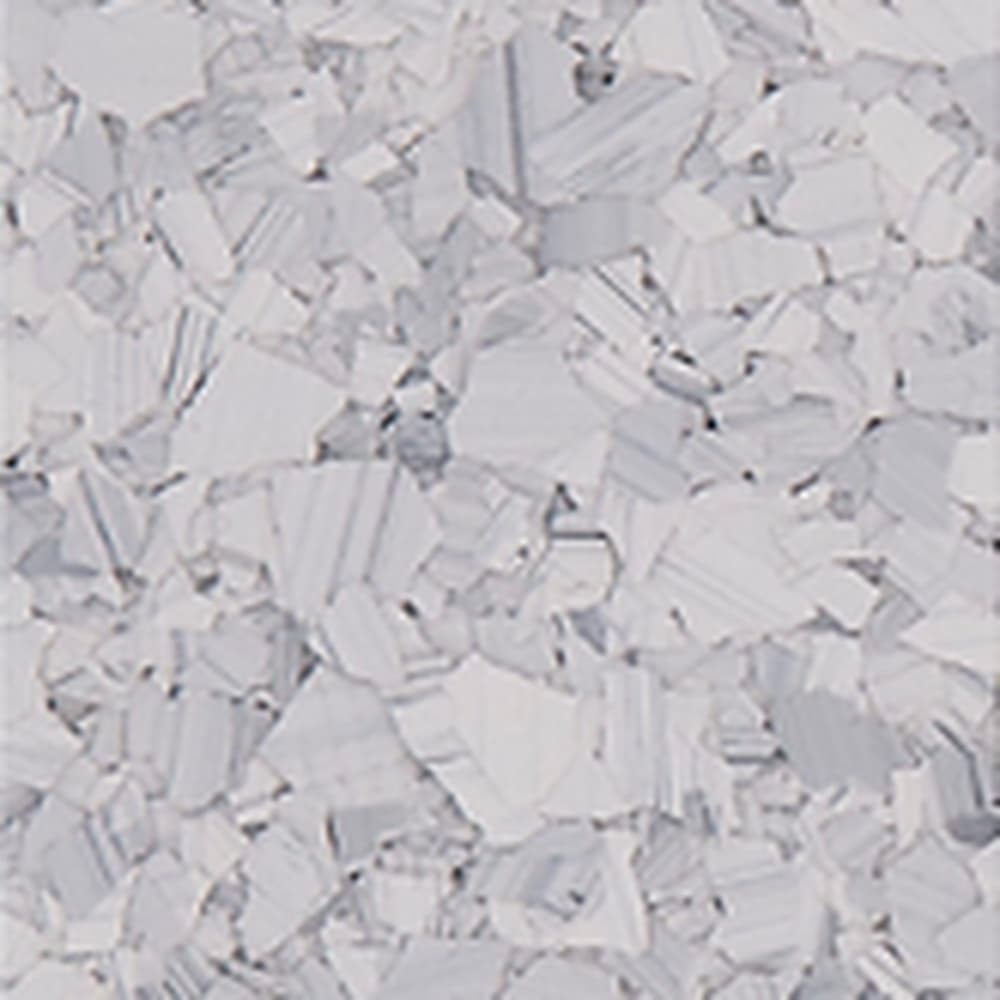
Schist
Cool greyNear-white, finely striated chips with only the faintest pale grey shading. The lightest blend we stock.
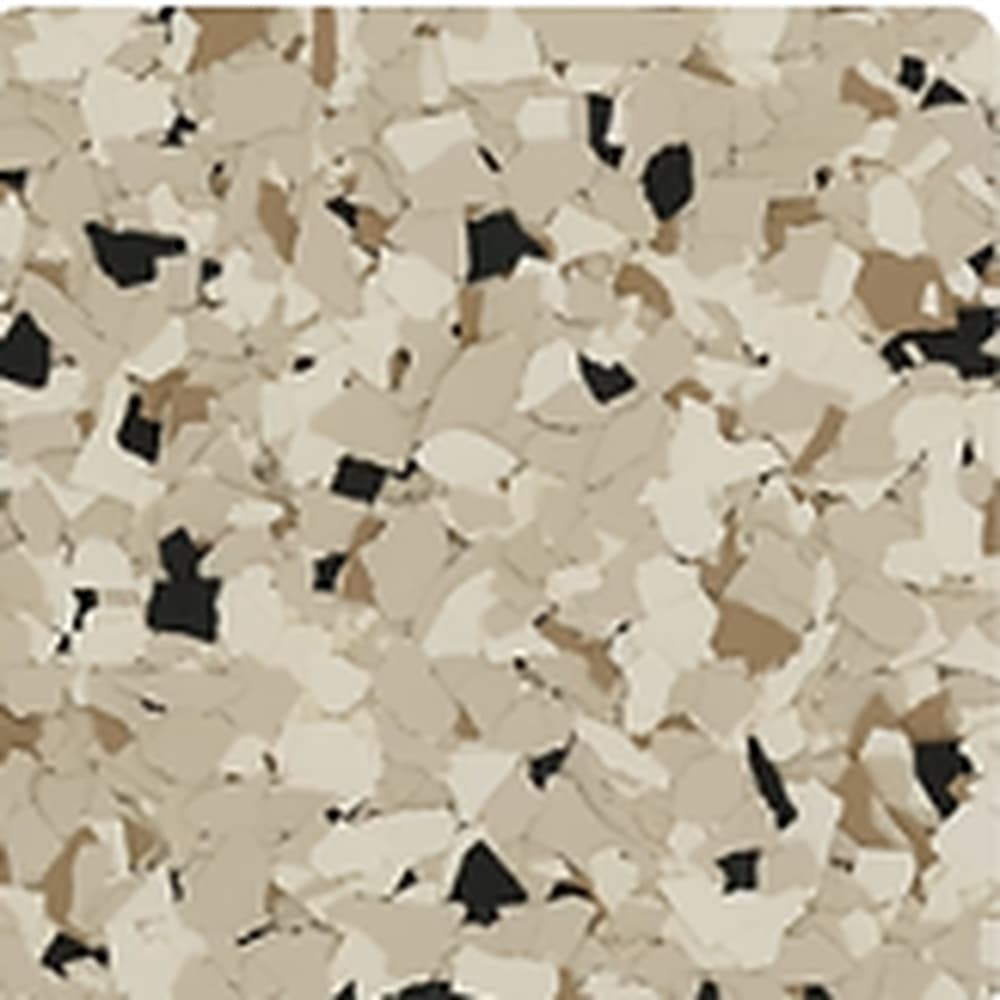
Shoreline
Warm earthCream, sand and light tan with a scattering of solid black chips for definition.
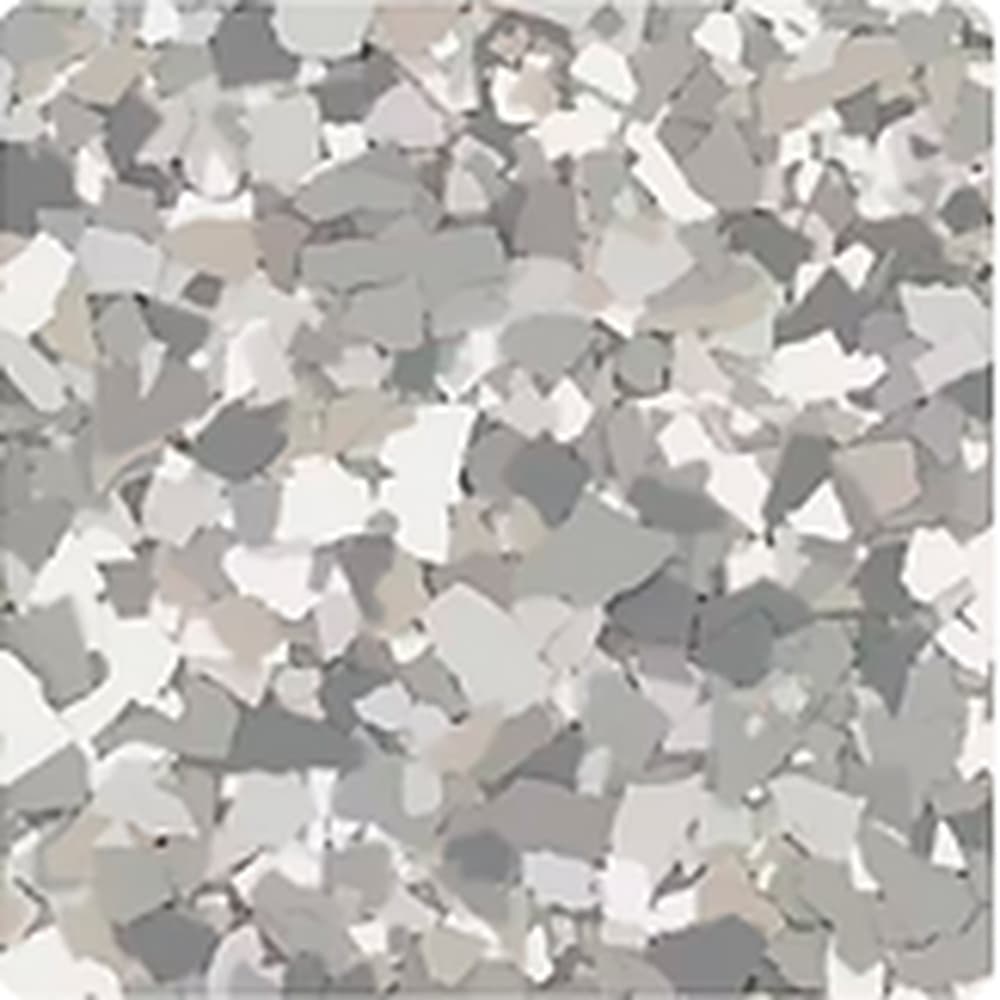
Stony Creek
NeutralWhite and light grey with warm greige and a few darker charcoal chips. Cool and warm in balance.
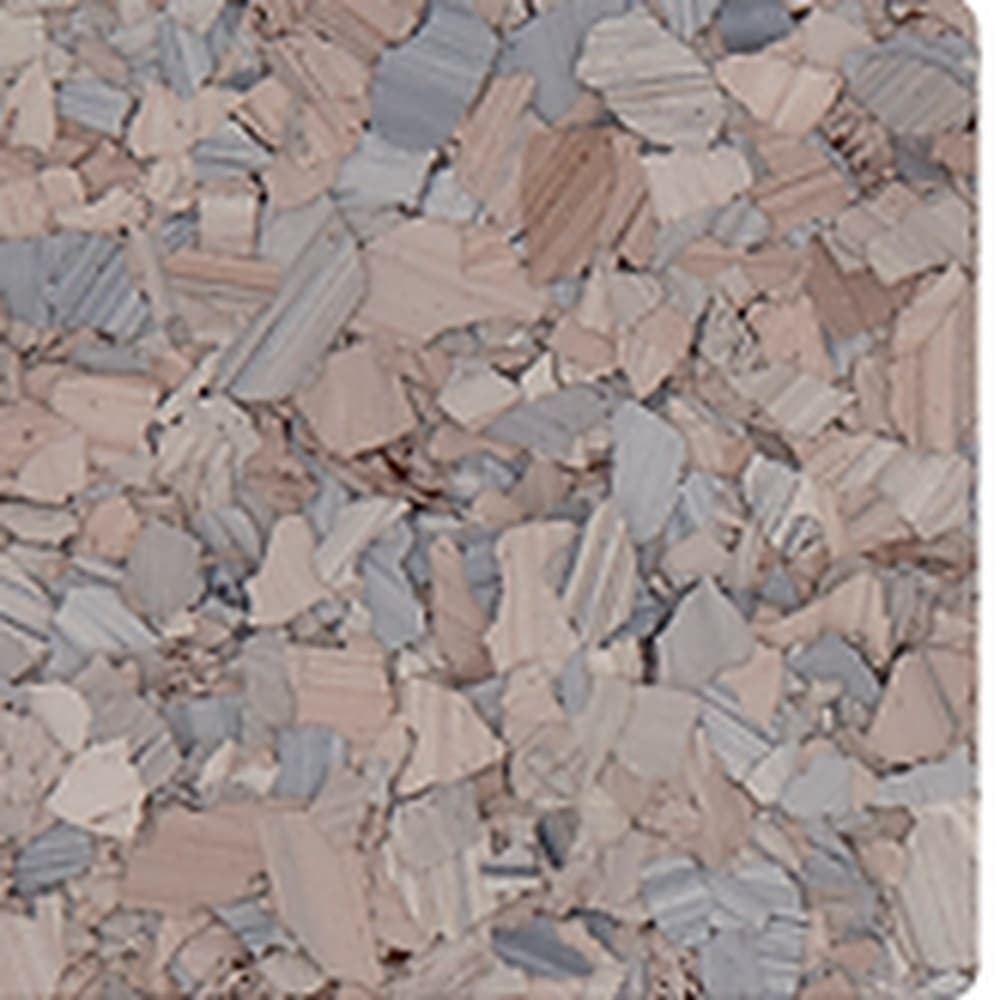
Pumice
Warm earthSoft blush and warm tan mixed with pale blue-grey, in a finely striated chip.
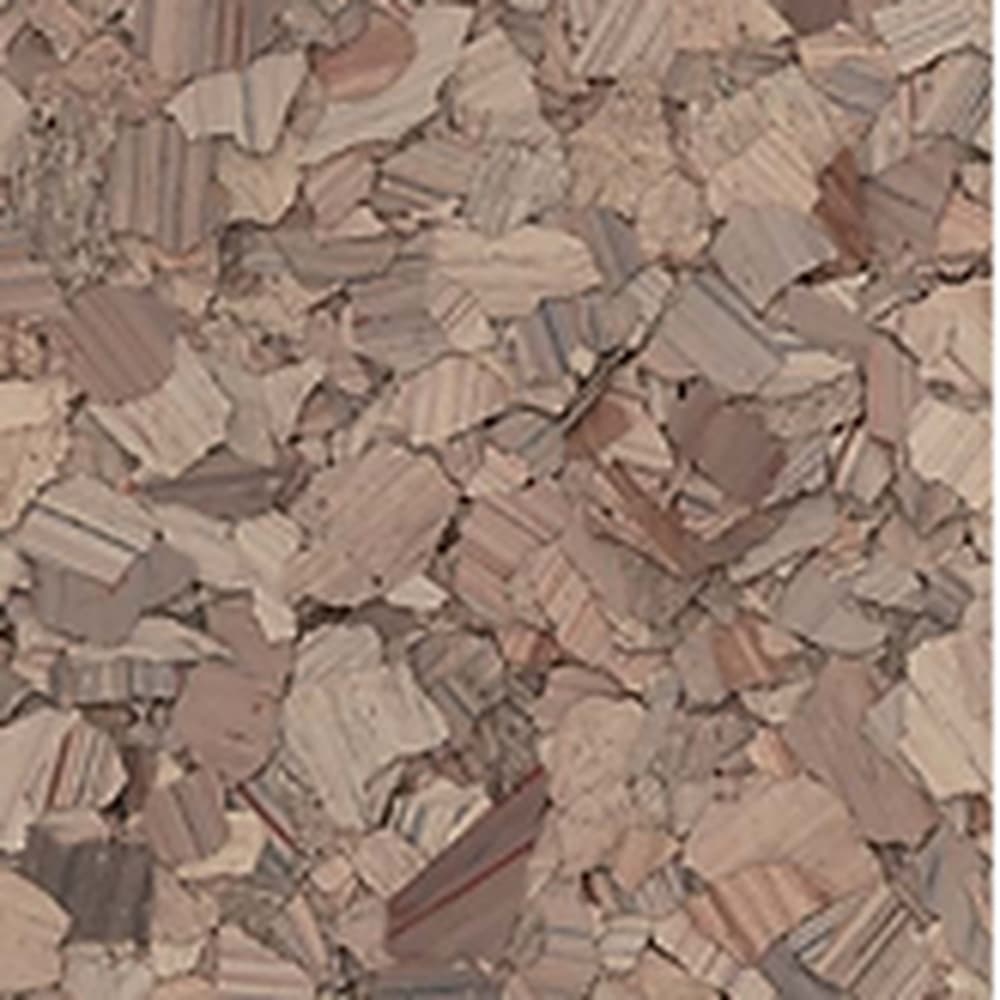
Sable
Warm earthWarm tan and blush with faint mauve, heavily striated so it reads textured up close.
Mid-tone
14 blendsThe practical middle. Multi-colour mid-tones give dust and tire marks nothing clean to contrast against, which is why most working garages end up here.
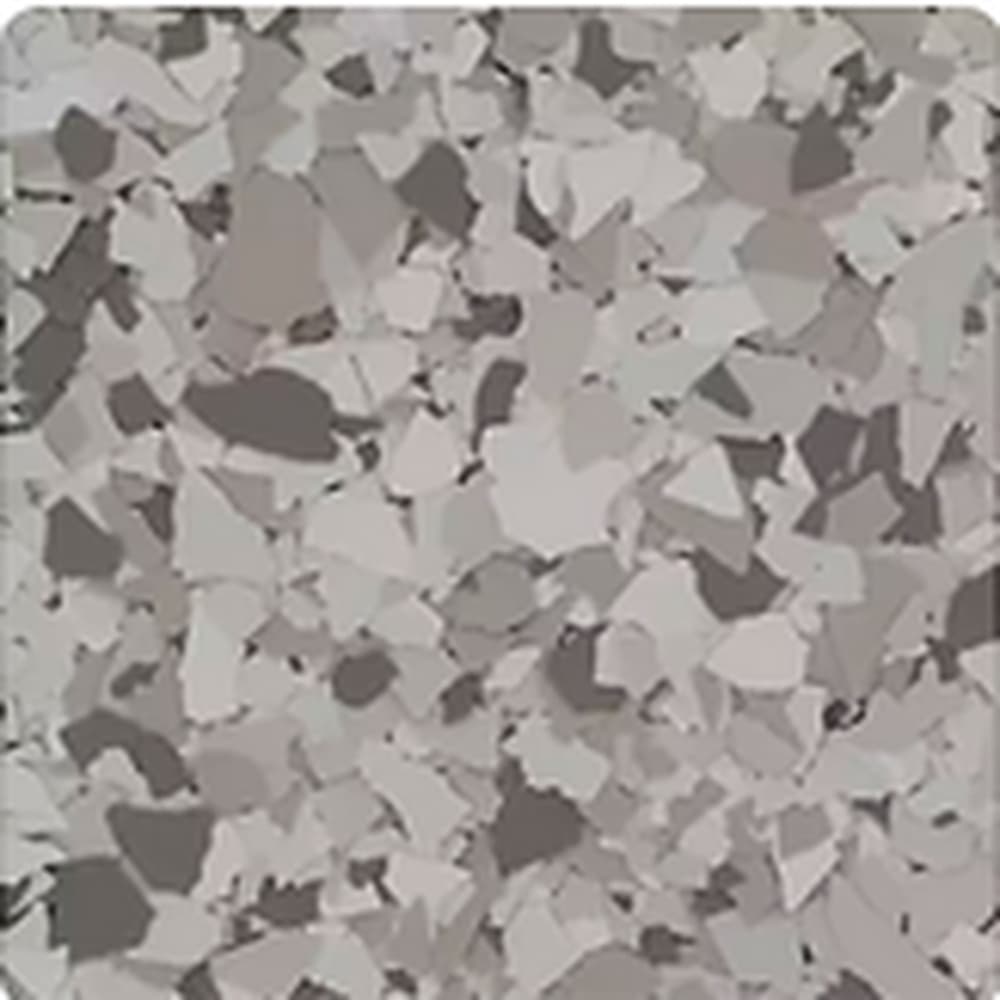
Dovetail
Cool greyLight and mid greys with white and charcoal. A clean, cool, mostly monochrome mix.
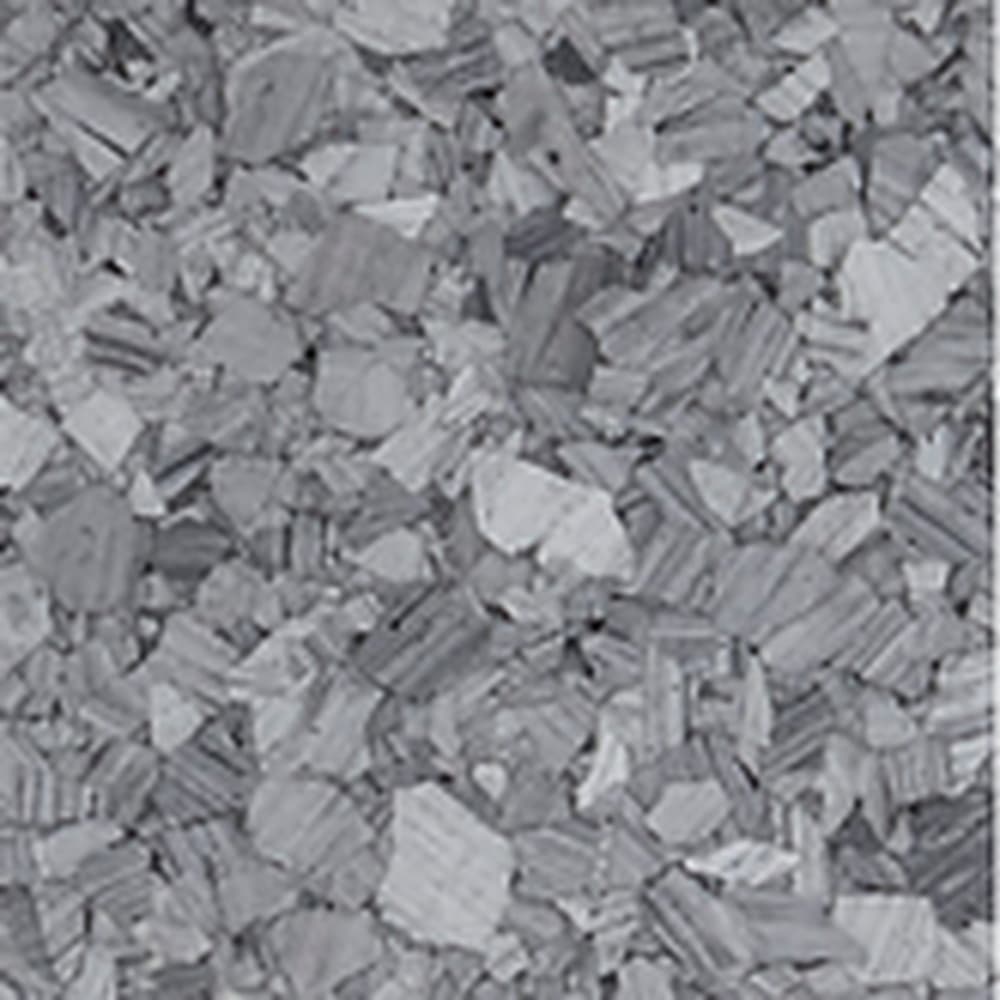
Lanai Grey
Cool greyMid greys only, no warm tones, with visible striation across the chips.
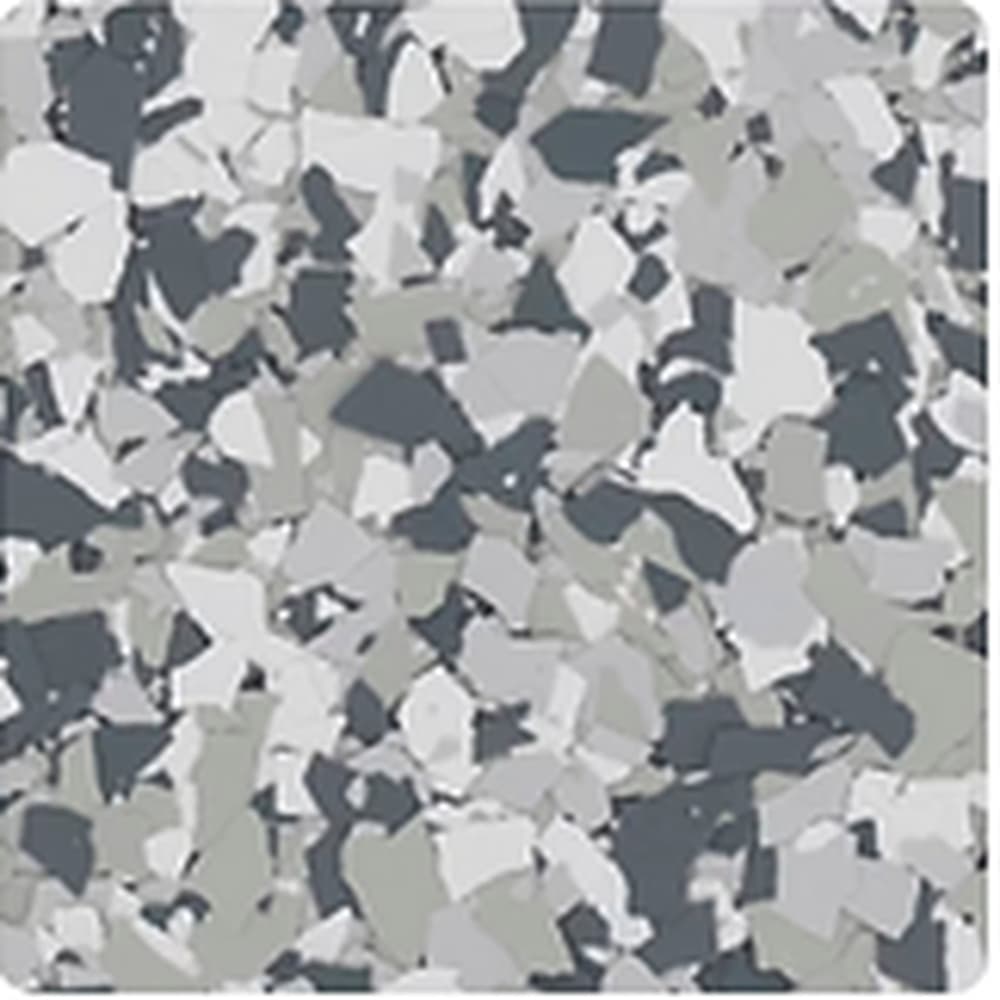
Gravel
Cool greySlate blue-grey against off-white and pale sage, giving strong chip-to-chip contrast.
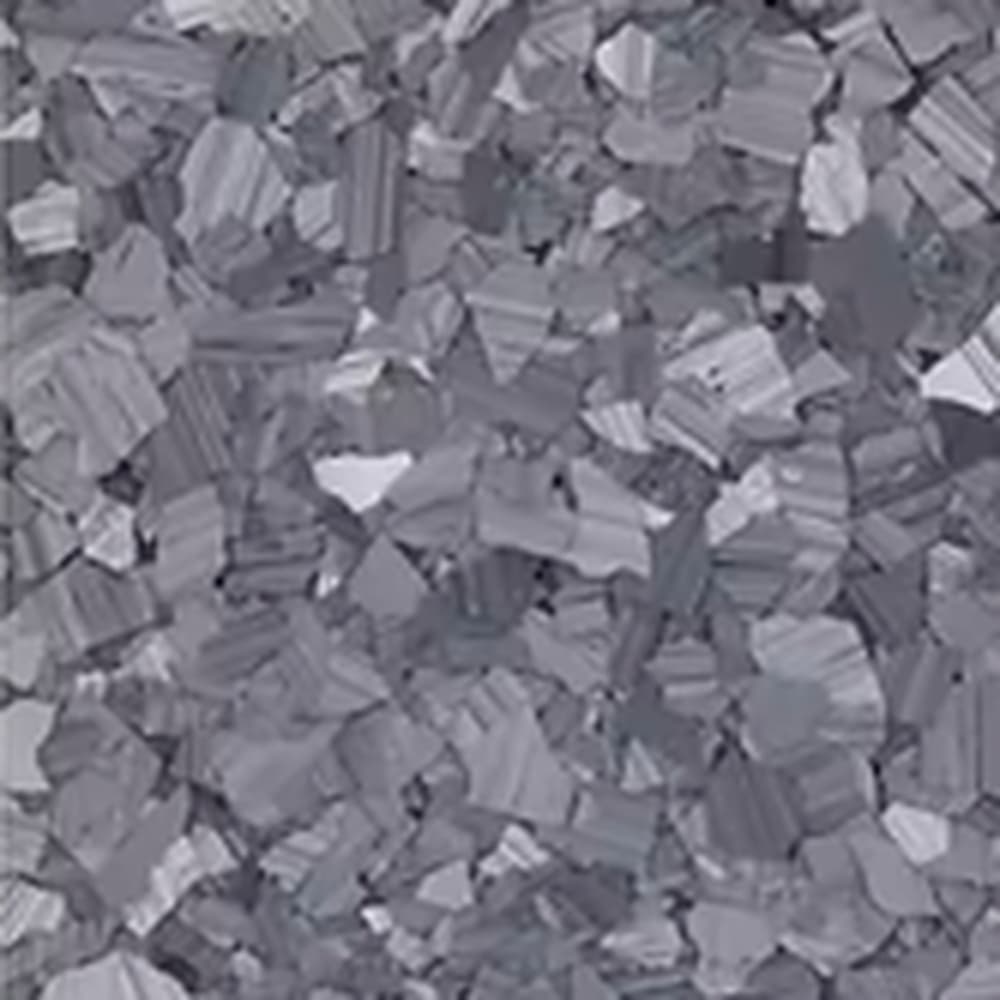
Basalt
Cool greyMedium to dark greys in a tight range, striated, with very little colour variation.

Stonehenge
Cool greyOff-white and light grey set against dark charcoal, with larger chips than most greys we stock.

Stargazer
Cool greyMedium grey throughout with pale grey and charcoal chips. Quiet and close to monochrome.
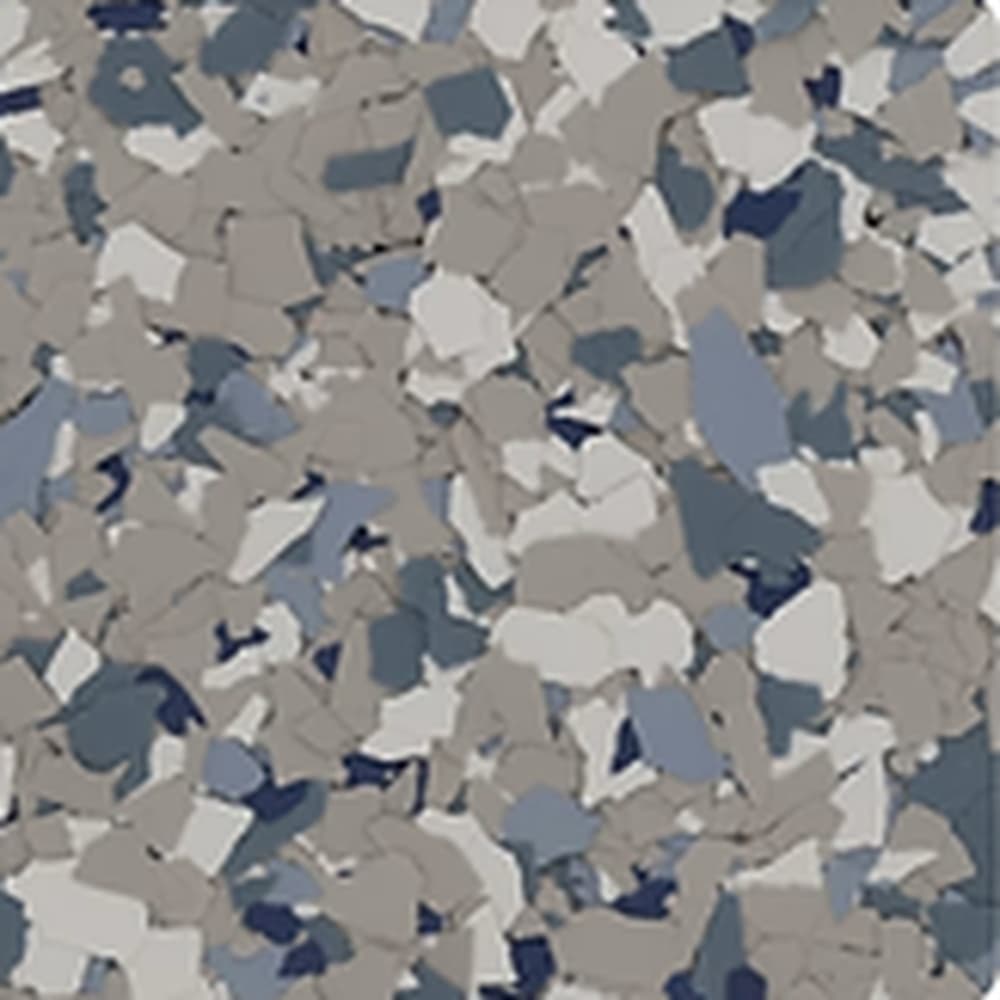
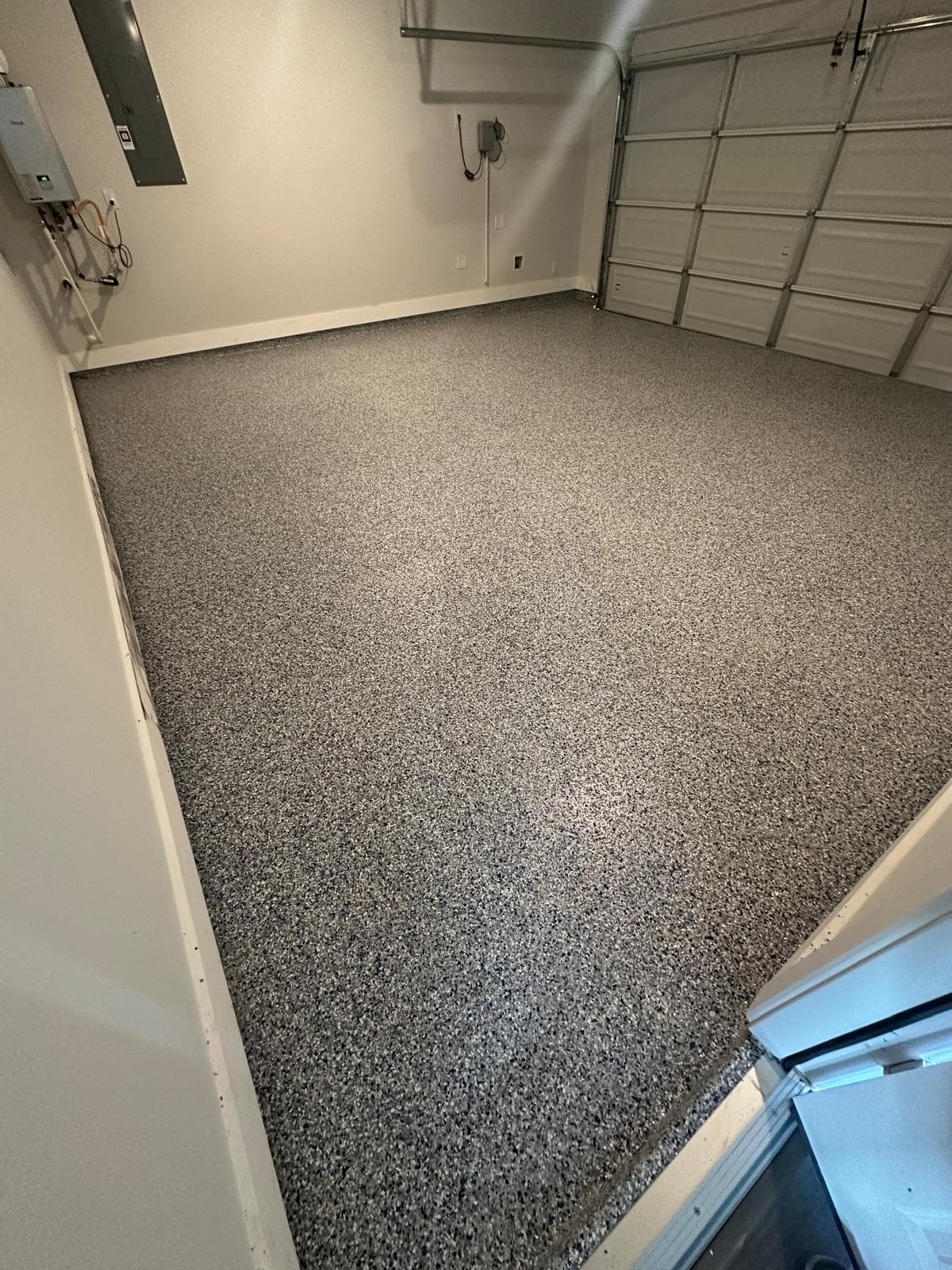
Installed — Cinco Ranch Stone Wash
StatementWarm taupe and off-white carrying steel blue and deep navy chips. Clearly blue, not a grey.
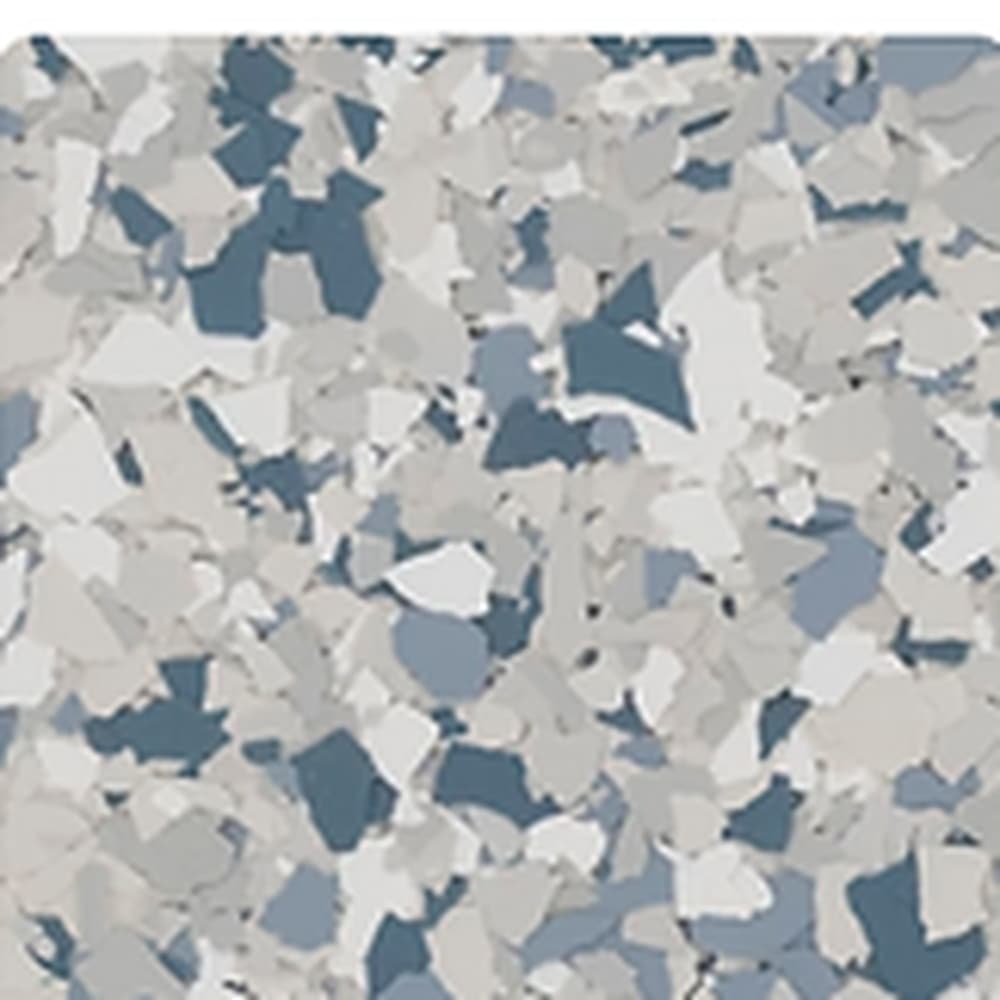
Tidal Wave
StatementOff-white and light grey with strong teal and slate blue chips. The bluest blend we stock.
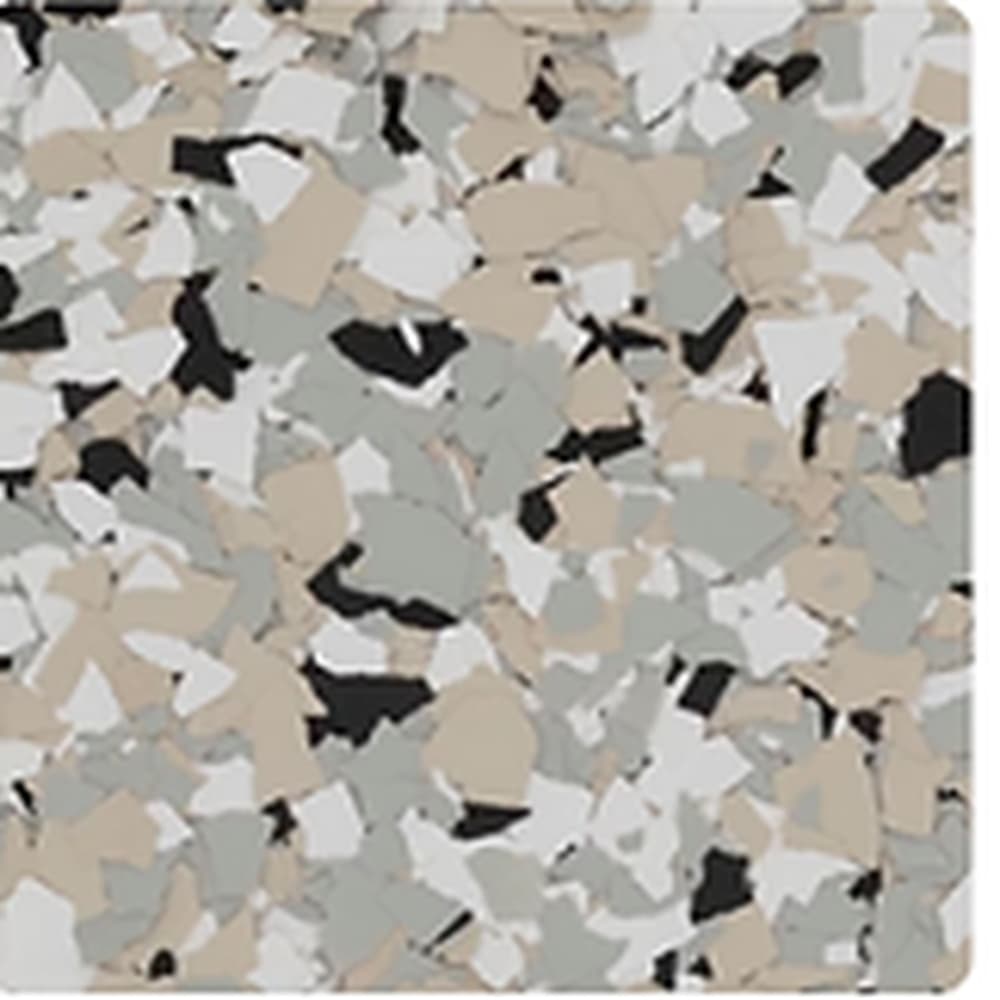
Cabin Fever
NeutralGrey, tan, white and black in near-equal measure — a balanced warm-and-cool mix.
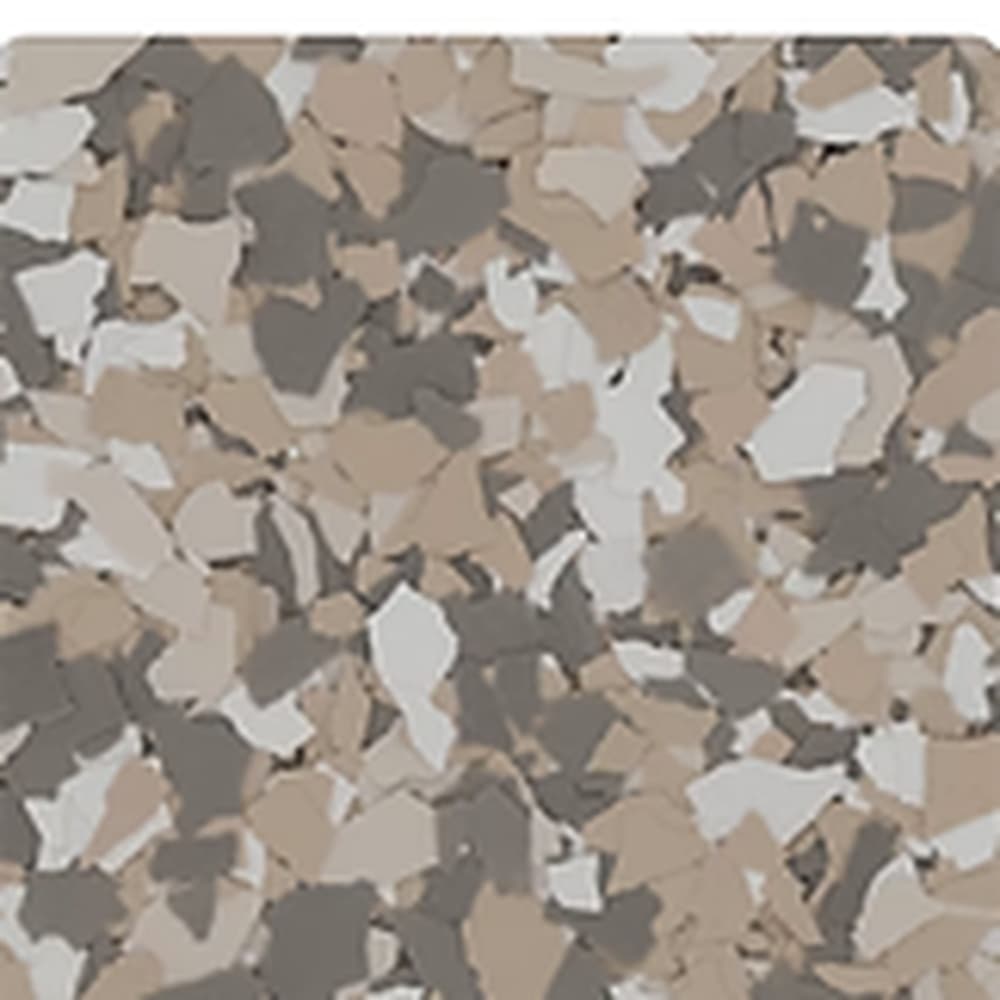
Madras
Warm earthTan and beige with white and dark charcoal-brown. Warm overall with dark punctuation.
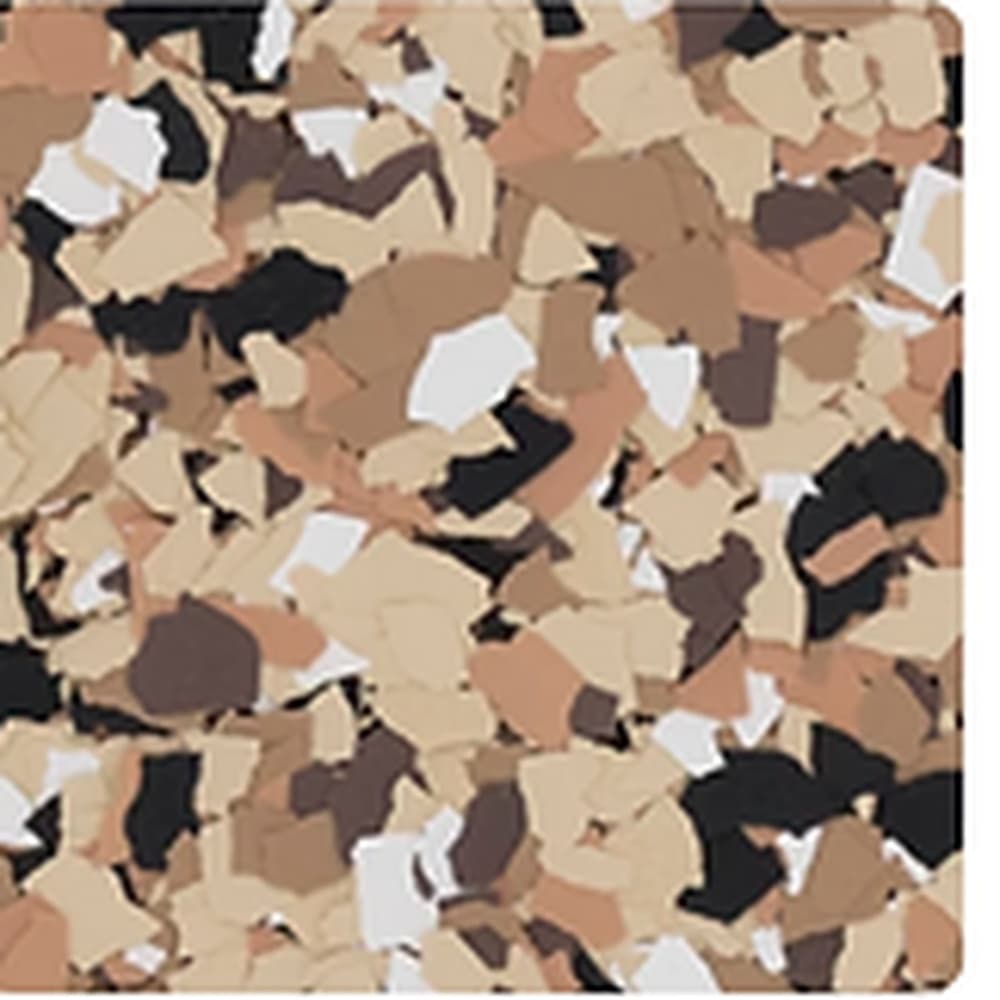
Outback
Warm earthCream and tan through to mid brown, with black and white chips for contrast.
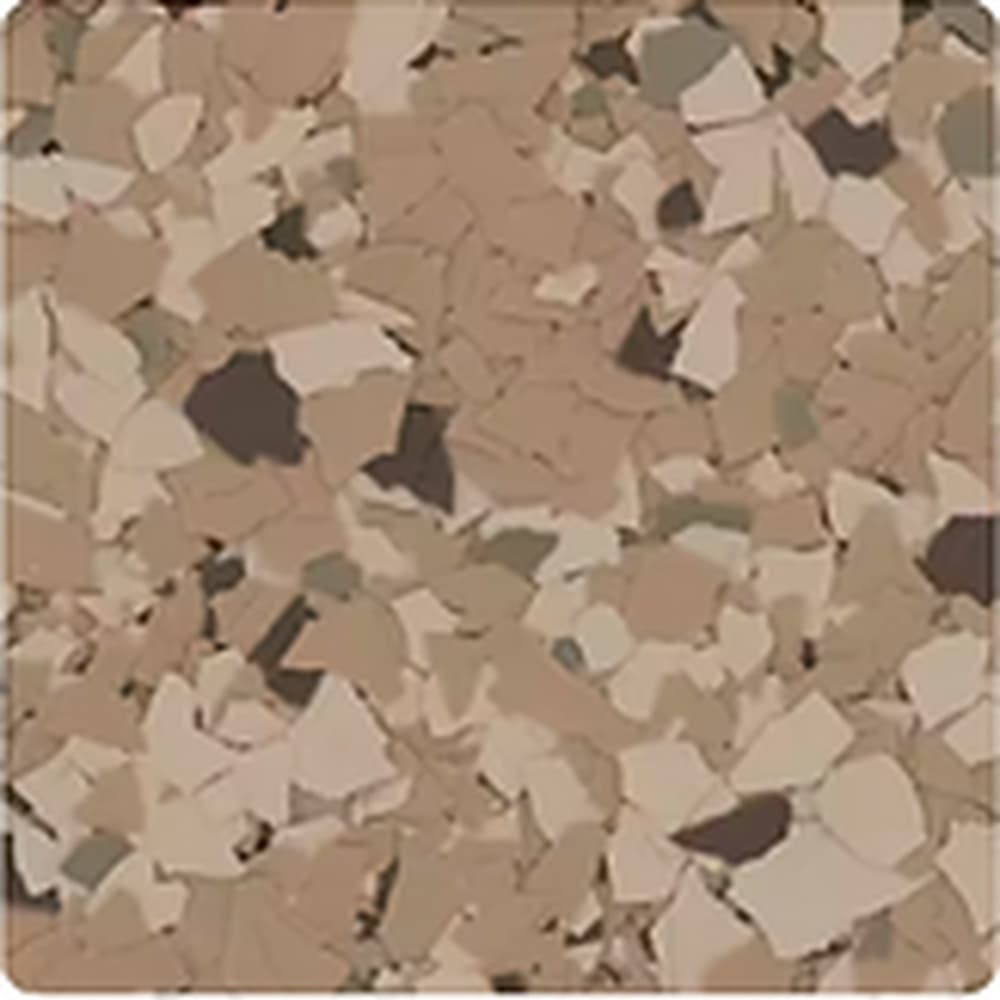
Safari
Warm earthSand, tan and cream with dark brown and occasional sage chips. Warm with no cool tones in it.
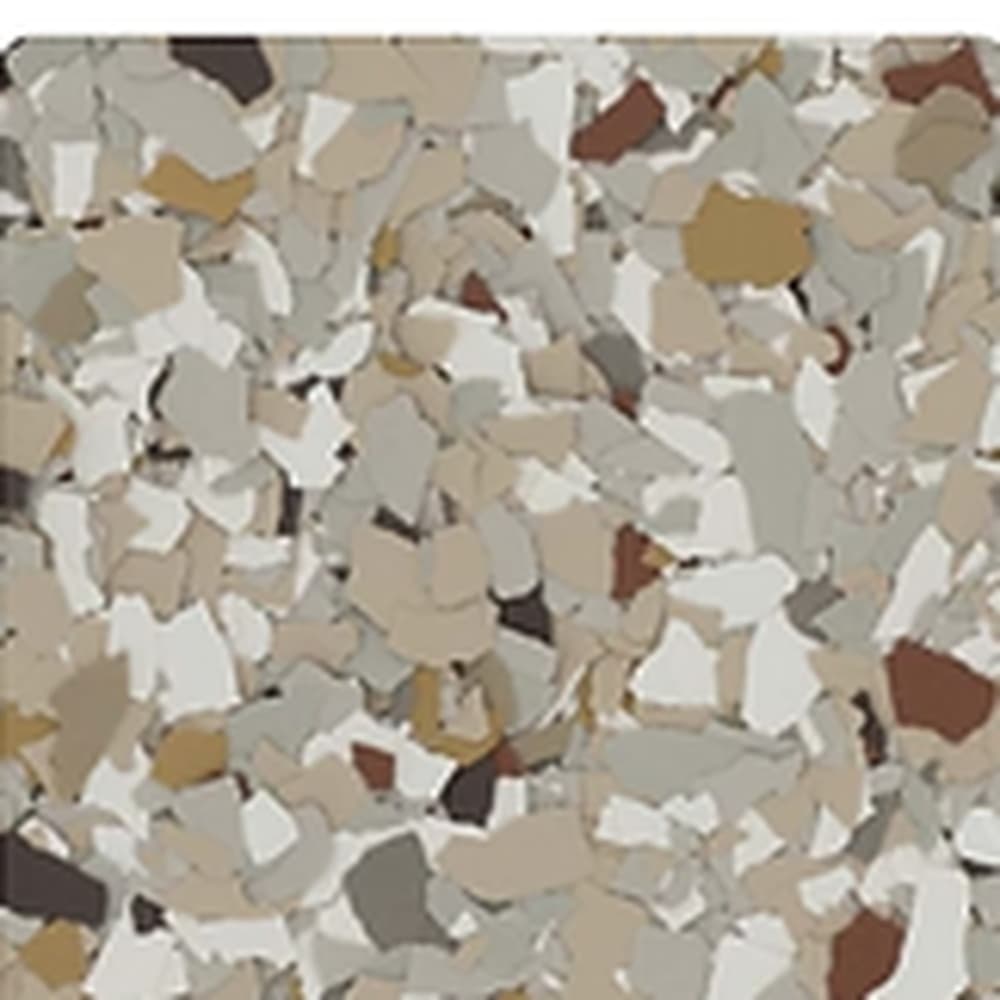
Creekbed
Warm earthThe most multi-coloured blend we stock: cream, sage grey, tan, rust and mustard.
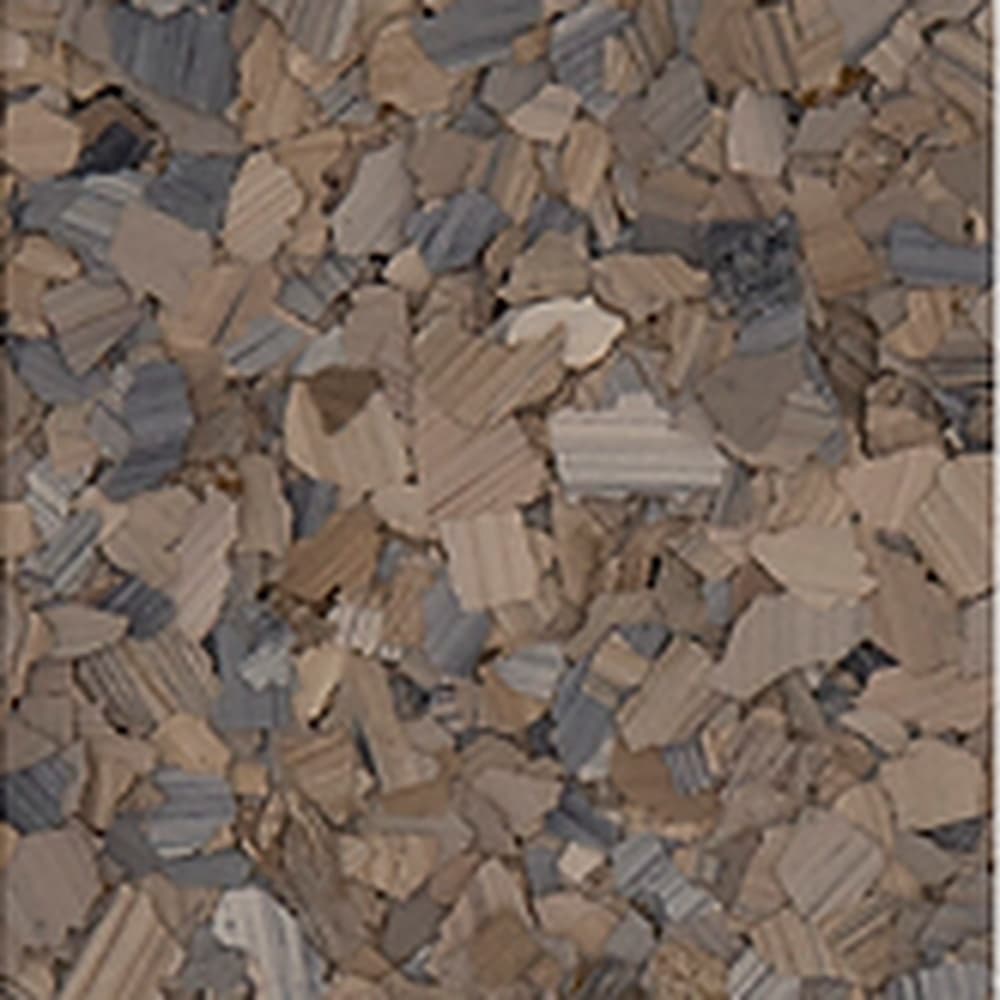
Obsidian
Warm earthWarm tan and beige with blue-grey, in a coarse striated chip. Reads warmer than the name suggests.
Dark
6 blendsStrong and deliberate, but a dark blend in a dimly lit garage will read close to black and make the space feel smaller. Look at these in the actual room.
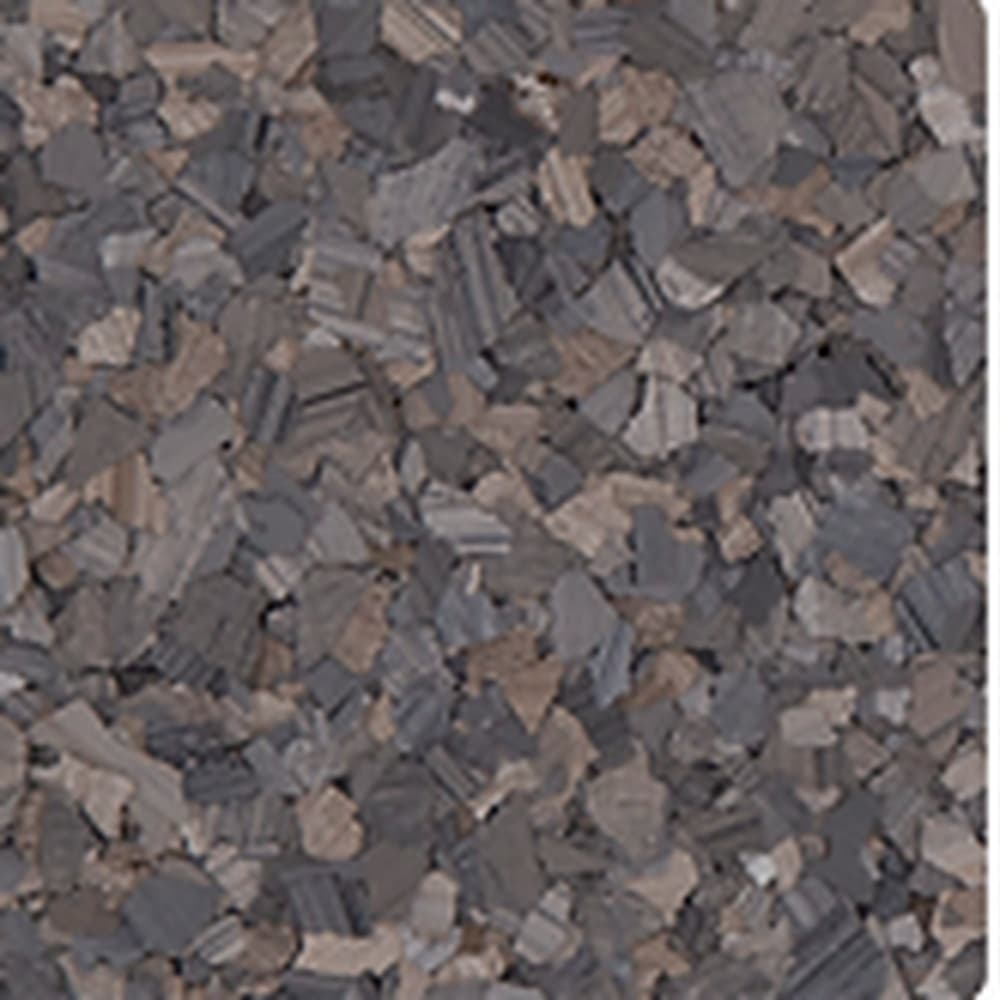
Dolerite
NeutralDark charcoal and slate carrying scattered warm tan, so it is not a flat cool grey.
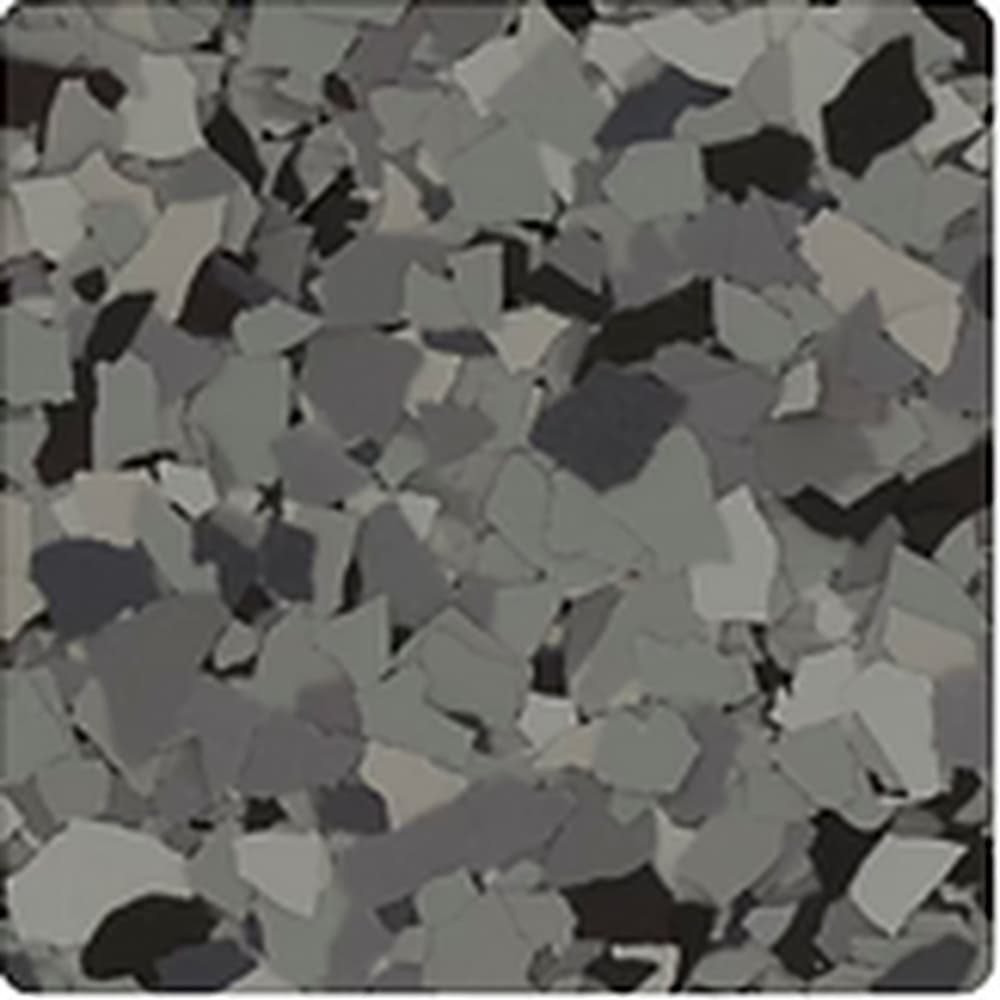
Nightfall
Cool greyBlack and charcoal against mid and light greys, some carrying a faint sage cast. High contrast.
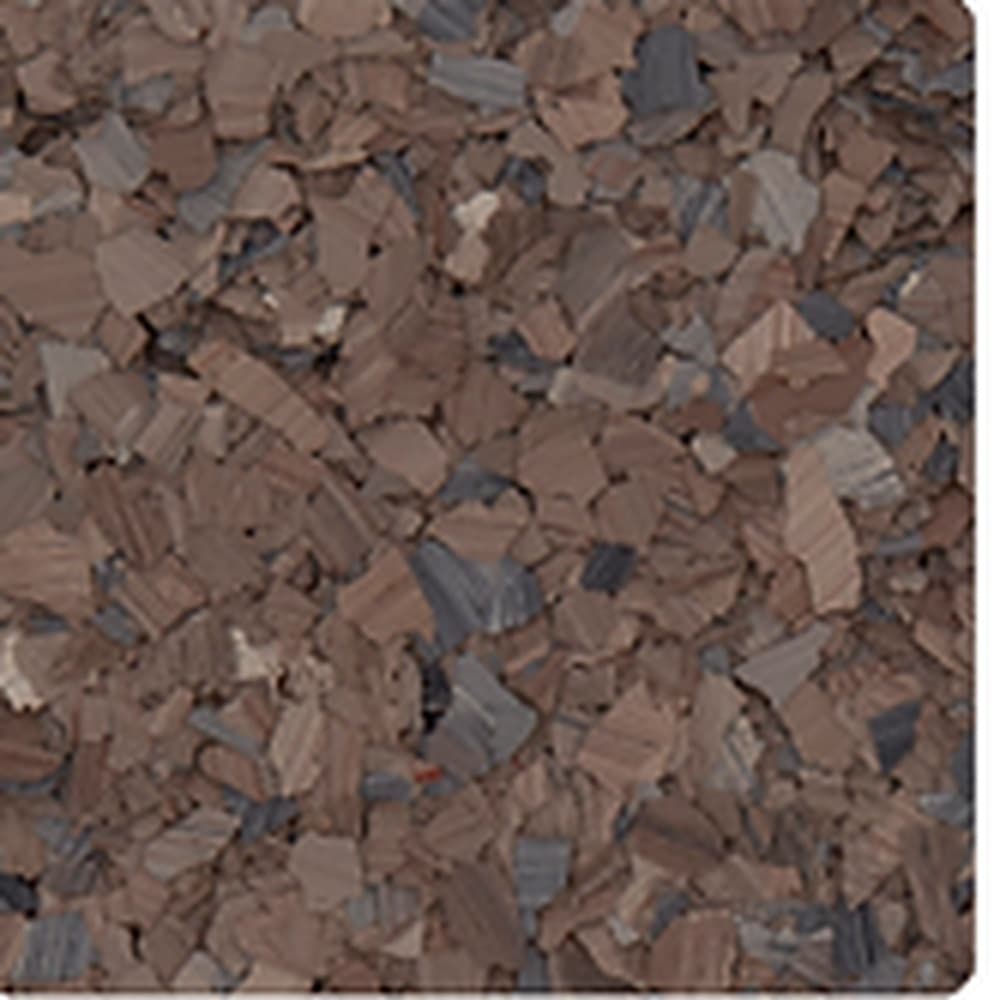
Garnet
Warm earthDeep red-brown and mauve with blue-grey chips running through it.
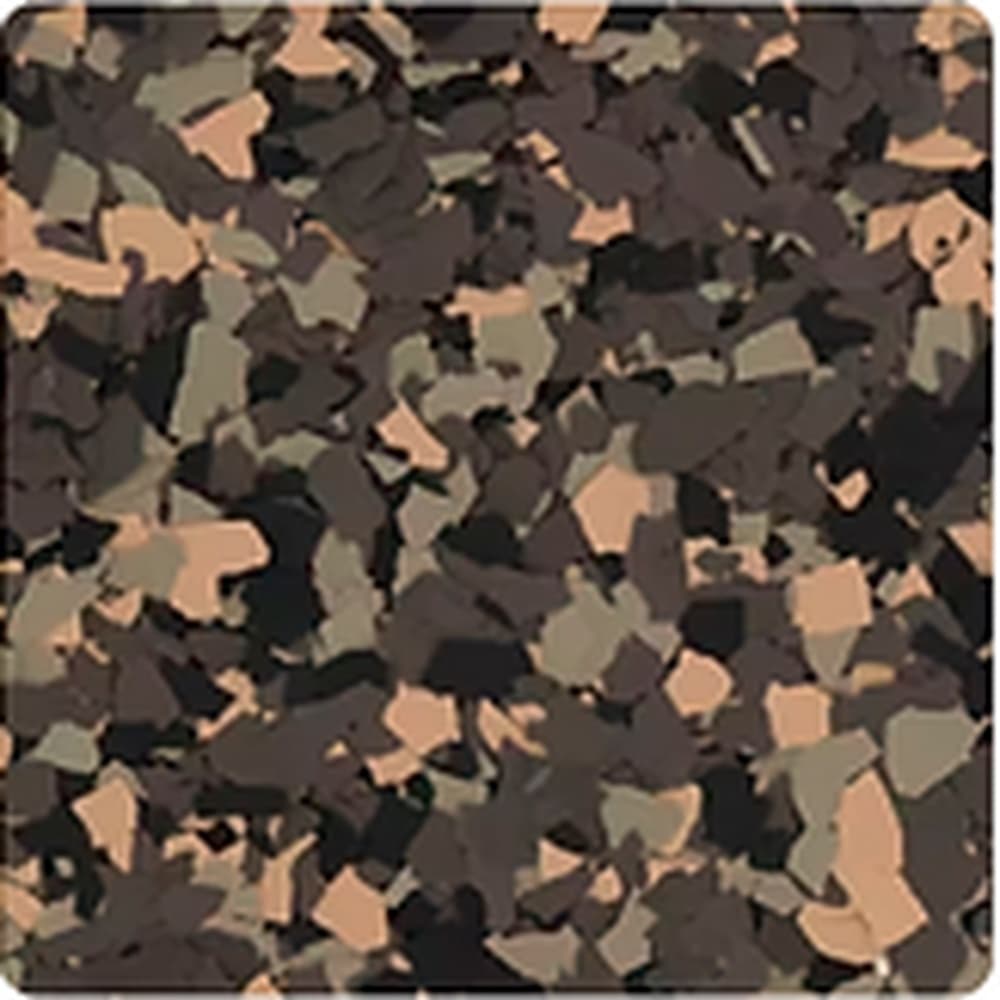
Portobello
Warm earthDark olive and brown with black, broken up by pale peach chips.
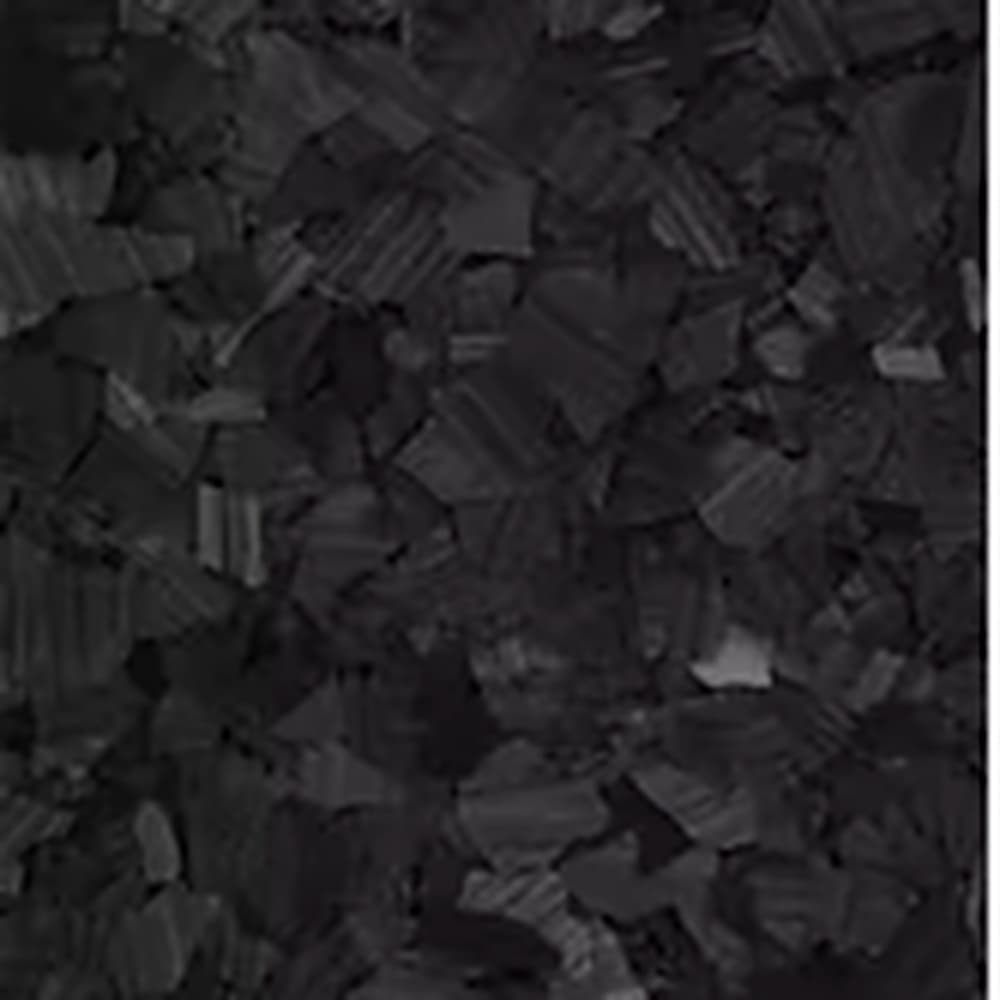
Carbon
Cool greyNear-solid black with only faint striation. The darkest blend we stock.
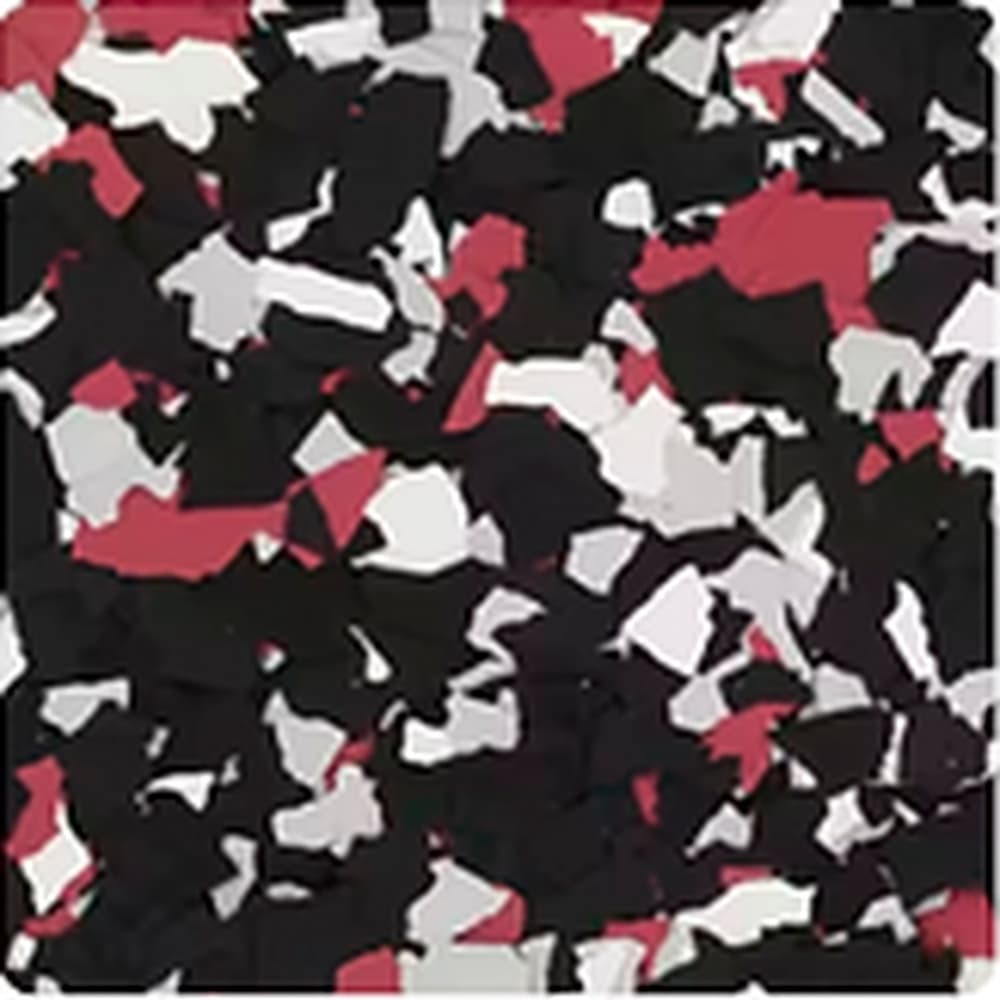
Daredevil
StatementBlack and true red with white and grey. The only blend we stock with a primary colour in it.
How it works
Selection happens on your slab
- We bring physical sample boards to your estimate — not a printed brochure and not a screen.
- Samples get looked at in the actual space, under the lighting that room really has.
- We put them on the floor and step back, because a chip held at eye level tells you very little.
- We look at them next to your walls, door and trim rather than in isolation.
- Nothing is ordered until you have seen the blend in the room it is going into.
Come to the estimate with a shortlist
Three or four blends is the ideal number to have in mind. That is enough for us to bring the right boards and enough for you to compare properly in the room, without the paralysis of looking at the whole range on a driveway.
If you are not sure, tell us the tone and family — "mid-tone, warm" or "dark, cool grey, no brown" — and we will bring a focused set. Narrowing by tone first is faster than picking a favourite name.
Questions
Colours and blends
Can I see the colour options before the estimate?
Yes — every blend we stock is shown on this page, grouped light to dark. Use them to build a shortlist of three or four. What we would still rather not do is let you choose finally from a screen, because monitor calibration and the loose-flake photography both shift the colour; we bring the physical boards and look at them on your slab.
Which blend hides dirt best?
A mid-tone blend with several colours in it. Very dark and very light finishes both show everything; a busy mid-tone gives dust and tire marks nothing clean to contrast against. From the range on this page, Creekbed, Cabin Fever, Outback and Madras are the ones doing the most visual work in that respect. This is usually the practical answer for a working garage.
Do the photos on this page match the finished floor exactly?
No, and it is worth being direct about that. They are real manufacturer photographs of the blends we stock, so the colours and chip mix are accurate to the product — but they show loose flake packed tightly, whereas on your floor the chips sit in a pigmented base coat under a clear topcoat. The finished surface usually reads slightly darker and calmer than the chip photo, and the chips look smaller from standing height than they do in a close crop.
Can I match my floor to a specific colour?
Within limits. Flake blends are made from stocked chip colours, so an exact match to an arbitrary paint colour is generally not possible, though we can often get close in family and tone. Solid colour systems give you far more precision if matching is the priority.
Will the colour fade?
That depends on the topcoat rather than the pigment. An aromatic epoxy topcoat will amber and chalk under UV exposure; a UV-stable polyaspartic topcoat will not. On any floor with sun exposure — a patio, a pool deck, or a garage that sits with the door open — the topcoat chemistry is the deciding factor.
Can I change my mind after the estimate?
Yes, up until the material is ordered for your job. Tell us as soon as you know, and we will confirm what the cutoff is for your specific schedule.
We will bring sample boards to your estimate
Tell us the space and the direction you are leaning and we will bring a focused set of physical samples to look at on your own floor, under your own light. The visit is free.
- $2M general liability + workers’ comp
- 5-year workmanship warranty
- No upfront payment
Decide the system first
- Flake FloorsChosen from blends — the most common choice.
- Metallic FloorsA technique, not a colour pick.
- Solid ColorMaximum colour precision, nothing to hide behind.
- PolyasparticThe topcoat that decides whether colour fades.
- Patios & Pool DecksWhere lighter tones stay cooler underfoot.
- ScheduleBook the visit and see the samples.